• Home
  • Contact
  • About Me
Paul Seabright

.com

  • Home
  • About Me
  • Books
  • Research
    • New Research
    • Working Papers
    • Published Journal Articles
    • Published Book Chapters
    • Current Research
    • Ideas for Future Research
    • Collaborators and Co-authors
    • Conferences
  • Other Writing
  • Lectures, Podcasts, Teaching
  • Coups de Coeur
    • Visual Artists
    • Places
    • Recommended Books
    • Blogs and links
    • Curiosities
  • Français

The Cinemagraph

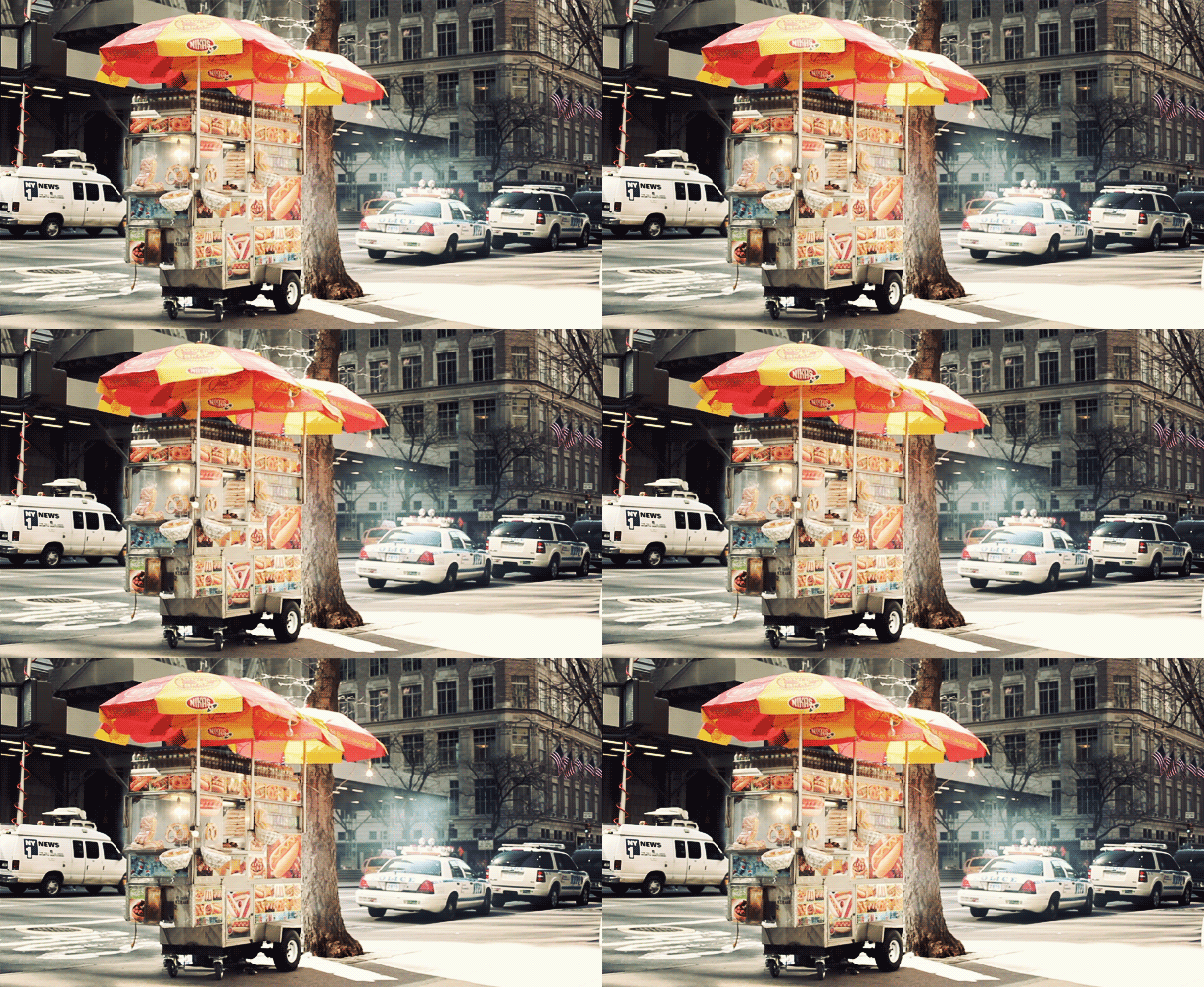
The Cinemagraph is a technique pioneered by Jamie Beck and Kevin Burg, which uses the old animated .gif format to stunning effect (see www.cinemagraphs.com). The result is still photos imbued with subtle motion.

Compare the still picture above to the cinemagraph below, made by Stéphanie Renard and Alice Seabright.

Here is a sample of some of my favourite cinemagraphs.

A Wonderful World. (Image source: From Me To You)

Can You Smell Them? (Image source: From Me To You)

Endless Time. (Image source: Tilen Sepic)

Shave And A Haircut. (Image source: From Me To You)

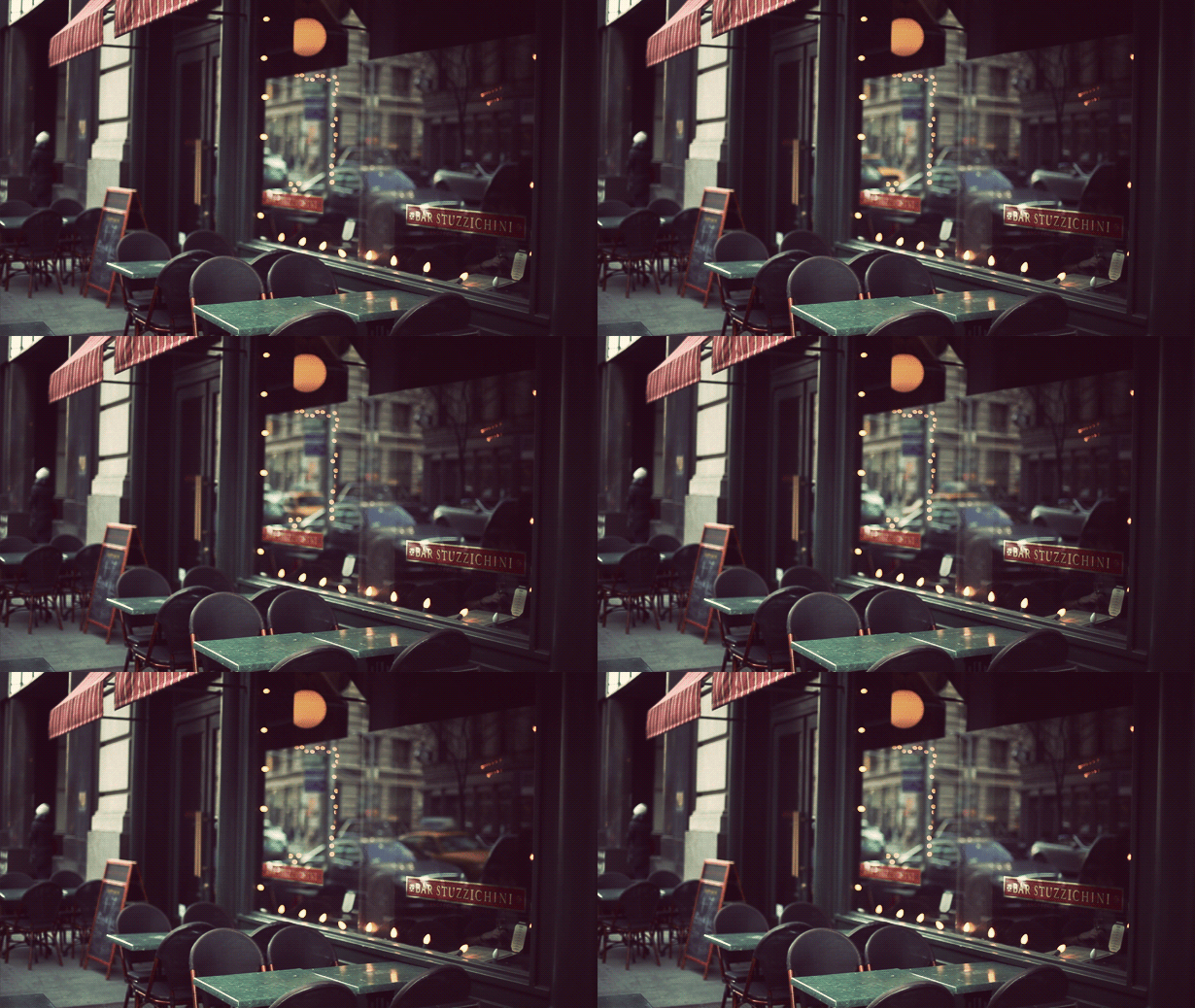
Meet Me At The Bar. (Image source: From Me To You)


Photographers I admire

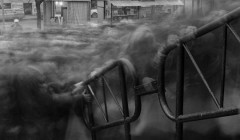
Above: “City of Shadows: St. Petersburg 1990s”, by Alexey Titarenko.


Here are some contemporary photographers whose work I admire.
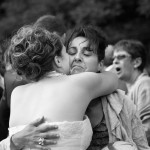
Stéphanie Renard

Stéphanie is a portraitist and still life photographer based in Toulouse. Thanks to her for the portrait on the About page.

See her website.
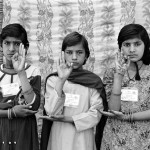


Gauri Gill

Gauri Gill has won the 2011 Grange Prize for contemporary photography. She was born in Chandigarh, India in 1970. She received BFAs at the Delhi College of Art, New Delhi (1992) and at the Parsons School of Design, New York (1994); and an MFA in Art at Stanford University, California (2002). Her work has been exhibited widely in India and across the world. She lives in Delhi.

See her website.
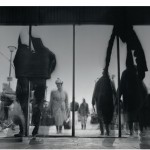


Alexey Titarenko.

Alexey Titarenko received his Master of Fine Arts degree from the Department of Cinematic and Photographic Art at Leningrad’s Institute of Culture in 1983. He began taking photographs at the beginning of the 1970s, and in 1978 became a member of the well-known Leningrad photographic club Zerkalo, where he had his first solo exhibition (1978).

Since this was creative activity that had no connection with the official Soviet propaganda, the opportunity to declare himself publicly as an artist came only at the peak of Perestroika in 1989 with his “Nomenclature of Signs” exhibition and the creation of Ligovka 99, a photographers’ exhibition space that was independent of the Communist ideology.

Titarenko has received numerous awards from institutions such as the Musee de l’Elysee in Lausanne, Switzerland; the Soros Center for Contemporary Art in St. Petersburg; and the Mosaique program of the Luxemburg National Audiovisual Centre. He has participated in many international festivals, biennales, and projects and has had more than 30 personal exhibitions, both in Europe and the United States.

Thanks to Alexey for permission to use his photograph “City of Shadows: St. Petersburg 1990s” in my chapter “Darwin and Human Society” in the book Darwin.

See his website.

La Société des Inconnus

La Société des Inconnus, Paul Seabright, 2011. Editions Markus Haller.

La théorie de l’évolution suggère que nous ne sommes pas naturellement disposés à  faire confiance à des inconnus, c’est-à-dire à des gens en dehors de notre famille ou de notre clan. Pourtant, aujourd’hui, nous confions notre vie aux pilotes d’avion, notre argent est géré par des personnes que nous ne connaissons pas, nous mangeons au restaurant sans craindre une intoxication et nous cotoyons une foule d’inconnus potentiellement dangereux dans le métro. Comment en sommes-nous arrivés là  ?

Paul Seabright décrit les mécanismes psychologiques, sociaux et économiques qui ont transformé, au fil des derniers dix mille ans, nos ancêtres suspicieux, xénophobes et belliqueux en individus qui dépendent d’un réseau institutionnel complexe constitué de personnes inconnues les unes aux autres. Or, ces mêmes mécanismes entraînent aussi des fléaux comme les crises financières, l’exclusion des faibles, la dégradation de l’environnement naturel, ou la prolifération des armes de guerre. Pour parer à ces conséquences fâcheuses de façon intelligente et efficace, il est essentiel de comprendre la fragilité des institutions qui font de nous des hommes modernes.

Sans jargon et à l’aide de beaucoup d’exemples, La société des inconnus intègre la pensée économique au contexte plus large de nos connaissances en biologie, anthropologie, psychologie et histoire, et propose une analyse lucide du fonctionnement de la société. Érudit et pertinent, cet ouvrage nous fournit des clés pour une meilleure compréhension des défis sociaux majeurs auxquels nous devrons faire face dans les années à venir.

Personne ne peut tourner les pages de ce livre sans découvrir à plusieurs reprises des idées à la fois inattendues et saisissantes que l’on voudrait poursuivre. Robert M. Solow, lauréat du prix Nobel d’économie

Dans la presse : éconoclaste (concernant la 1e éd. anglaise) Books  Le Monde  Les Echos  Le Temps  France Culture “Du grain à moudre”  Radio Canada “On aura tout lu”  AGEFI  Le Matin Dimanche  Alternatives Économiques  Sciences Humaines  France Culture “On n’arrête pas l’éco” Revue d’Etudes Agricoles et Environnementales

Commander : FNAC  Decitre  amazon.fr  chapitre.com  alapage.com  Place des libraires  Payot (Suisse) 1001 libraires

Extrait


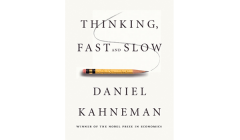
Thinking Fast and Slow

Thinking Fast and Slow. By Daniel Kahneman. Published October 2011 by Farrar, Straus and Giroux.

An engaging introduction to the duet between the intuitive and reflective components of our reason.

Tags: Psychology

Buy here.

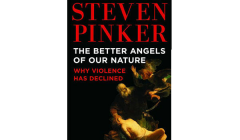
The Better Angels of our Nature

The Better Angels of Our Nature, by Steven Pinker. Published October 2011 by Viking Penguin. Here is what I wrote about this book in BBC Focus Magazine:

The world has never been more violent place than it is today, right? Wrong! In this excellent and very readable book the psychologist Steven Pinker assembles massive amounts of evidence to show that for the average citizen the world is less violent now than it has ever been. More people died violently in the twentieth century than ever before, but that’s because the world’s population was so much greater. By any other standard – the risk we each face of being murdered, raped, tortured – we are safer now than ever. In fact, for the first time in the history of the world, an average person is more likely to die at their own hand than at someone else’s, unless that person is driving a car. It’s a remarkable achievement of modern society, even if it doesn’t fit the fashionable nostalgia for a kinder, gentler past. But Pinker’s book is not triumphalist, and far from naïve about the inner demons of our nature. You’ll learn things here about violence in history you might prefer not to know. Pinker wants to understand why violence has declined so that we can do our collective best to stop us ever going back. Understanding why Western Europe seems unlikely to repeat the carnage of the Thirty Years War may also help bring peace to those parts of the world – Iraq, the Congo, Detroit – where violence is still unacceptably high. It may even help to curb domestic violence and, if you believe Pinker, our cruelty to animals.  It’s an ambitious agenda, but so is Pinker’s range (across criminology, psychology, history, economics and neuroscience). He emphasizes that the explanation lies not just in institutions like the law but also in subtle values and habits of thought. You may not agree with all of his account – I don’t – but the questions are vital, the prose clear, the challenge exhilarating.  The arguments are ones every awake citizen should reflect upon. Buy here.


Leningrad

Leningrad, by Anna Reid. Published August 2011 by Walker and Co.

An account from letters and journals of what it was like, for both attackers and defenders, to live through the two-and-a-half year siege of Leningrad that began in 1941, and in which around three-quarters of a million inhabitants of the city died of starvation.

Tags: History, War.

Buy here.

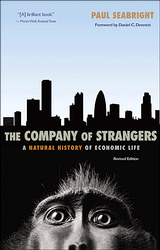
The Company of Strangers

Paul Seabright, The Company of Strangers: A Natural History of Economic Life. Second Edition, Princeton University Press, 2010. Read More →

Sculptors

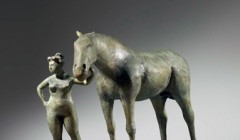
Olivia Musgrave.

Olivia Musgrave was born in Dublin in 1958. Her father is Irish and mother Greek. She studied sculpture at the City & Guilds of London under Allan Sly. Her work is drawn both from life and from the imagination where she draws inspiration from Greek mythology. In artistic terms, Musgrave has been influenced by 20th Century Italian sculptors, including Marini, Martini, Greco and Manzu. Alongside her personal work, she has completed a number of portrait and public commissions in bronze. She is a member of both the Royal Society of British Sculptors and the Society of Portrait Sculptors. Olivia Musgrave currently lives and works in London and Suffolk.

See her webpage.

Painters

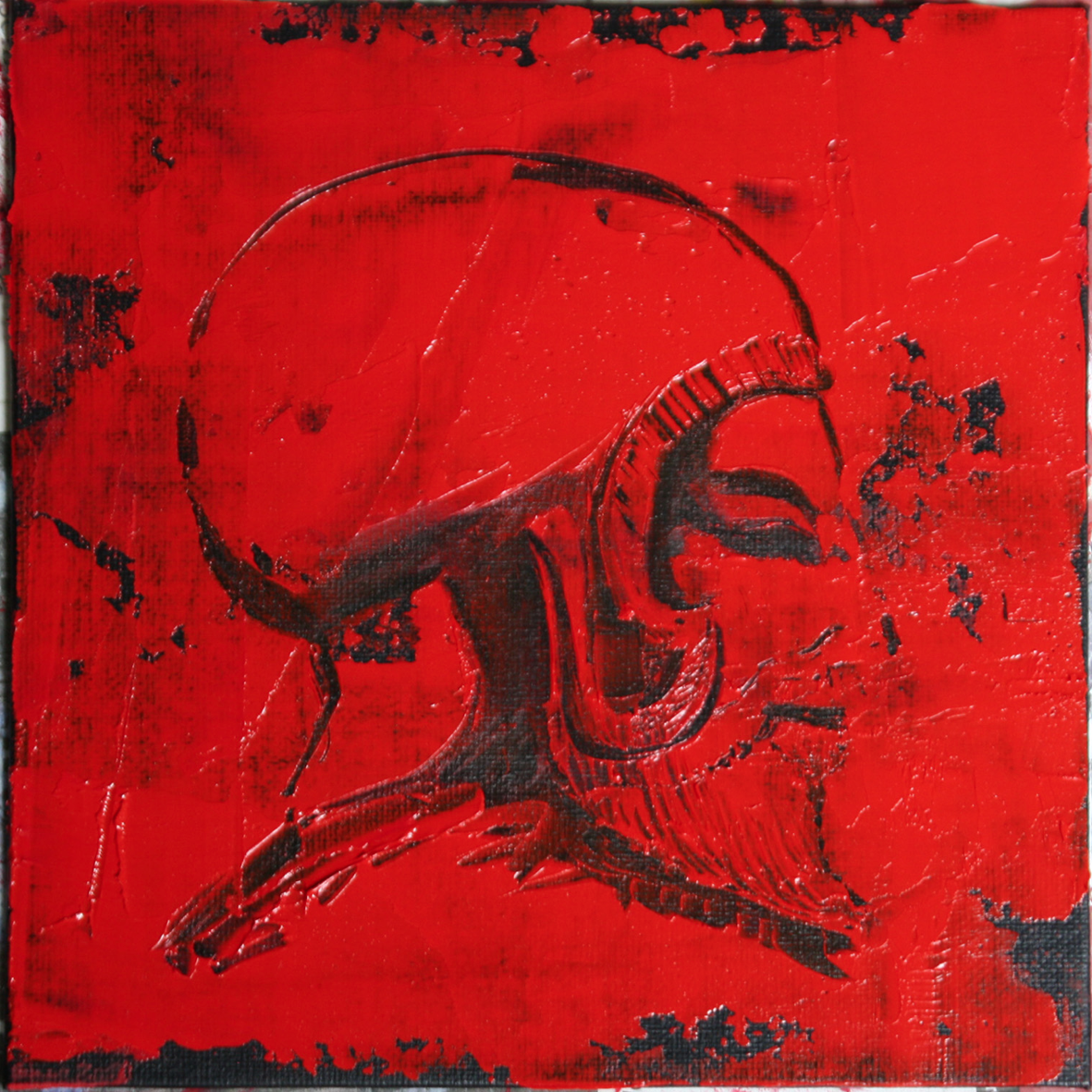
Jean-David Saban.

See his website.


Douglas Fryer

See his website


Maud Mulliez

See her website

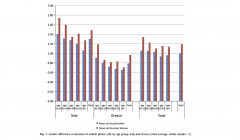
“Do Women have longer Conversations? Telephone Evidence of Gendered Communication Strategies”

“Do Women have longer Conversations? Telephone Evidence of Gendered Communication Strategies”, Journal of Economic Psychology, December 2010. doi:10.1016/j.joep.2010.12.008. (with Guido Friebel)  [ Download PDF ]

← Older
Newer →
  • Tags

    BBC behavioural economics book book review broadcasting markets cambridge university press central europe church company of strangers competition policy Covid-19 darwin darwin college lecture Divine Economy economic history economic life epidemics experiments feminism fiction Français gender Haiti History industrial organization marriage markets merger in daylight natural history networks organizations podcast princeton Psychology radio regions of europe religion sexual assault sexual selection supply chain teaching technology trade tribune videos war of the sexes
  • Connect with us:
  • © 2026 Paul Seabright
  • Powered by WordPress